

Public Health Preparedness Program
Mission: To prepare and respond to natural and man-made public health emergencies including, but not limited to:
- severe weather conditions
- bioterrorism
- disease outbreaks
- radiological/nuclear hazards
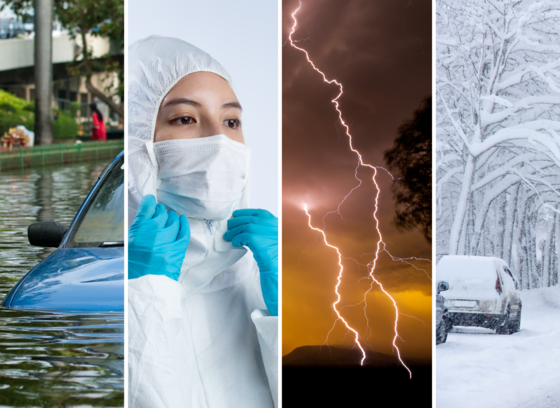
Each month HCHD will bring you information and resources about different hazards and how to be prepared to respond.

June: Severe Weather: Thunderstorms, Tornadoes, & Hurricanes
Prepare – Respond - Recover

The National Oceanic and Atmospheric Administration (NOAA) and National Weather Service advise that lightning, hurricanes, and tornadoes are significant public safety threats, causing hazards ranging from direct strikes to widespread damage from high winds, flooding, and debris. For comprehensive preparedness plans, consult the Center for Disease Control and Prevention (CDC).
Before Disaster Strikes
The Federal Emergency Management Agency (FEMA) offers tips to get prepared for all types of severe weather.
Before weather strikes:
- Sign Up for Weather Notifications
- Create a Family Communications Plan
- Update your Preparedness Kit—don't forget to include medications, hand sanitizer, and your pet supplies
- Prepare Your Home:
- Trim Trees & Tall Bushes
- Keep drains and gutters clear
- Use surge protectors for all electronics
- Charge cell phones and power banks with cords
- Insurance contact and policy numbers (take pictures of valuables)
- Fuel your vehicle

Thunderstorm & Lightning:
- When thunder roars, go indoors!
- If lightning is around. Run to nearest shelter.
- Turn Around. Don’t Drown!
- Stay inside until 30 minutes after the last rumble of thunder. For more information about lightning safety, visit the National Weather Service webpage.
Hurricane:
- Go to your basement or an inside room on the lowest floor.
- If outside, go to a low-lying area such as a ditch and lay flat.
- Protect your head and neck with an object or with your arms.
- Evacuate when local officials tell you.
- identify closest shelter and routes to get there.
Tornado:

Tornadoes:
Tornadoes can occur anywhere and Howard County has experienced 19 confirmed events in the past 49 years (1975–2024).
- Never try to outrun a tornado in a vehicle.
- Get indoors as quickly and safely as possible
- Avoid staying in a mobile home or vehicle. They can overturn and roll
- Shelter in Basement or most interior room of home without windows.
- Pay attention to the weather. Get weather alerts. Understand tornado alerts.
Visit Ready.gov/Tornadoes for a preparation checklist, safety tips, and helpful links.
What To Do After a Disaster:
Stay Informed
- Listen for news and instructions from local officials
Stay Safe While Cleaning Up
- Wear gloves, a mask, and protective clothing.
- Do not touch wet electrical items or downed power lines
- Stay out of flood water
Use Phones Wisely
- Text or use social media to reach family and friends.
- Only make phone calls if you need emergency help
Check your Home
- Walk around your home and look for loose wires, gas smells, or dangerous debris
- If you see downed power lines or smell gas, call your utility company.
- Take pictures of any damage
Be Careful With Water and Food
- Don’t drink tap water until officials say it is safe.
- Throw away any food that might be spoiled
Health Safety
- People with asthma or breathing problems should not go into buildings that have leaks or mold.
Stay Connected
- Tell friends or family where you are going and when you get there
- Follow Ready HoCo for emergency updates in Howard County.
Be Prepared
Additional Resources

How can YOU help in an emergency?
Become a Public Health Hero - Join the Howard County Medical Reserve Corps
The Howard County Medical Reserve Corps (HCMRC) Program is volunteer organization created in July 2002. Medical Reserve Corps (MRC) volunteers can be medical and public health professionals or community members with no healthcare background.
Howard County Health Department
Phone: 410-313-6300
After Hours: 410-313-2200
Maryland Department of Health (MDH)
Phone: 410-767-6500
Maryland Department of Emergency Management (MDEM)
Phone: 410-517-3600
Extreme heat can be dangerous after long periods of exposure, if proper precautions are not taken.
To protect yourself and your loved ones from the dangers posed by prolonged sun and heat exposure, follow the below tips:
- NEVER leave children or pets unattended in a parked car or other hot environment.
- If you must be outside in the heat, wear light-colored, lightweight, loose-fitting clothing, a hat and sunscreen.
- Stay hydrated. Drink water and caffeine-free liquids. Alcoholic beverages do not keep you hydrated.
- Take frequent rest breaks in air-conditioned or shaded areas if you must work or exercise outdoors. If possible, stay out of the sun during the middle of the day.
- Know the signs of heat-related illness, including: extreme weakness, muscle cramps, nausea, headache, vomiting, fainting, dry/red skin.
- Check regularly on infants, elderly, family and neighbors with health conditions as they are more vulnerable to heat-related illness.
- If planning a trip to the lake/beach/pool to cool off, be sure to review swim and water safety guidelines with your family and children
Additional Resources about Heat/Sun Safety:
- NHTSA Prevent Hot Car Deaths
- CDC Sun Safety
- American Academy of Pediatrics Drowning Prevention
- National Weather Service Heat Safety
- Heat.gov
- Heat Emergency Awareness: Hot Weather Tips and Heat-Related Illnesses
Places to cool off on a hot day (contact location to verify operating hours before visiting)
- Howard County Library System Branches
- Howard County 50+ Centers
- Howard County Recreation & Parks Community Centers
- The Mall in Columbia
- Map of Howard County Cooling Centers
Anyone in need of shelter or other assistance should call the Grassroots hotline at 410-531-6677 or visit grassrootscrisis.org(opens in a new window).